
Ecotourism in Hawaii: Know Before You Go
Oahu Travel Secrets contains affiliate links and is a member of Amazon Services LLC Associates Program. If you make a purchase using one of these links, we may receive compensation at no extra cost to you. Read disclaimer for more information.
Wondering how to sustainably travel Hawaii? Or maybe you’re simply wonder why ecotourism in Hawai’i is so important? I consider Hawaii a second home, but for many people, it’s their only home. I spoke to those people, and locals from different organizations to prepare this article.
Dubbed “the extinction capital of the world” Hawai’i has the highest number of endangered and threatened native plant and animal species in the world due to their isolated evolution and limited defenses against predators and diseases.
A loss of cultural sustainable land practices have exacerbated this trend. The islands face new challenges with climate change and over development.
Travel Pono
The Native Hawaiian Hospitality Association (NHHA) provides training and resources for those in the tourism industry to educate and create programs that are in line with Hawaiian values and culture. Mālia Sanders, the executive director shared that the NHHA promotes a regenerative tourism model, “to leave a place better than you found it.”
She encourages mindful travel which means to learn from the place and people, add value, and leave changed in some way.
Touching on a core Hawaiian value, pono (pronounced poh-no), means acting with integrity for the benefit of yourself, others, and the environment. It’s about finding balance and taking responsibility for your actions.
Tips for ethical and sustainable tourism in Hawaii
It is estimated that 20-25% of Hawai’i’s economy depends on tourism. Over 10 million people visited the Hawaiian islands annually pre-pandemic. Post-pandemic,in 2022 it was 9.2 million, about 4.86 visited Oahu alone.
The population of all eight Hawaiian islands combined is about 1.5 million. Tourists outnumber the local residents which is why visitors play a significant role in the economy and the well being of the environment.
I’m always learning, and happy that you’re here trying to do the same thing. After the conversations I had while writing this article, what I learned was that instead of a sustainable tourism model, what the tourism industry is looking to promote here, especially after the pandemic, is a regenerative model. I’ll speak on that, ethical ecotourism, and how you can be part of the solution, below.
Before You Trip
Consider these sustainable travel tips when planning your trip.
1. Research

Hawai’i is a high context culture which means much of the communication is implicit through context, nonverbal cues, shared history, and relationships.
It is part of the U.S., but it was its own kingdom not too long ago so it’s important to learn about Hawaiian and local culture and history. Embrace the slower pace and respect the culture – kindness goes a long way.
2. Getting to and around Hawai’i

Flights that offer carbon offset programs allow you to neutralize the carbon emissions from your flight. Nonstop flights have lower overall emission so opt for those when possible.
Thankfully, nonstop trips from the mainland to Hawaii have been getting more popular over the years. I can fly nonstop from Denver to multiple Hawaiian islands now!
There are various transportation options to suit your needs and budget. Consider walking for a more immersive experience and to discover hidden gems.
Bikes, ebikes, and e-scooters are a fun and eco-friendly way to get around Oahu, while public transportation is affordable and covers most of the island. For car rentals, choose fuel-efficient options to minimize your impact.
3. Where to stay

Choose eco-certified hotels, locally-owned rentals, or designated campsites that minimize environmental impact. I recently spent time on the island traveling around in a van, staying at local farms. This was an incredible way to see the island.
4. Things to do
Opt for smaller, eco-conscious companies that prioritize the environment and local communities. Don’t rely solely on certifications – ask questions to ensure their practices are truly eco-friendly.
During your trip
Now that you’ve planned your trip, it’s time to truly learn how to travel pono.
5. Practice aloha

The legislature implemented a statue called the “Aloha Spirit Law” to guide governance and decisions.
“”Aloha Spirit” is the coordination of mind and heart within each person. It brings each person to the self. Each person must think and emote good feelings to others…”
According to Mālia Sanders, it’s what many people feel in Hawai’i that they don’t experience in other places so it brings them back again and again. It’s a way of being. Embrace aloha, and even if you encounter negativity, respond with kindness.
6. Buy local
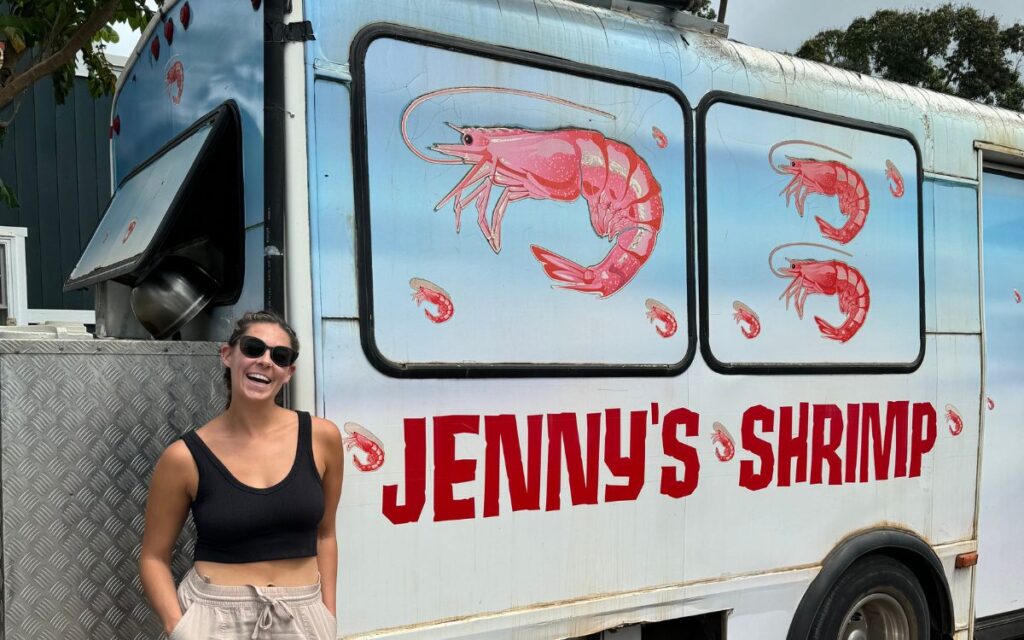
Support local! Shop at locally-owned stores, restaurants, and tours. Seek out “Made in Hawaii” products and Hawaiian-owned businesses. Choose quality, authentic keepsakes that benefit the islands’ economy. I’ve found local Hawaiian brands to be great quality – so I promise it’ll be worth it!
Here are some resources to shop local:
- A database of Native Hawaiian businesses
- Gifts from locally made businesses
- Made in Hawai’i businesses
There are many farmer’s markets around the island that you’ll find throughout the week. Take advantage of visiting and spend time talking to and supporting locals while you’re there.
7. Mālama the āina (care for the land)
Land is an integral part of Hawaiian culture which you can notice in the agriculture practices, social order, dances, chants, and stories.
The land is seen as a living entity and a source of genealogical connection with specific locations holding spiritual significance. Show respect by following cultural protocols and supporting efforts to restore its beauty and traditions.
8. Leave only footprints
Bring a reusable water bottle and avoid single-use plastics. Pack reusable shopping bags, refillable toiletries and containers.
When on hikes bring all trash and leftover food back with you. Choose food packaging with minimal waste and bring reusable containers for snacks and meals.
9. Lights out!
Turn off lights and electronics when not in use. Hawai’i is known for its trade winds so enjoy the nice breeze by opening a window instead of turning on the A/C.
10. Every drop counts
99% of Hawaii’s water comes from an aquifer. Save water by taking shorter showers and reusing towels. Plus, tap water is perfectly fine to drink so no need for bottled water.
11. Protect Hawaii’s reefs!
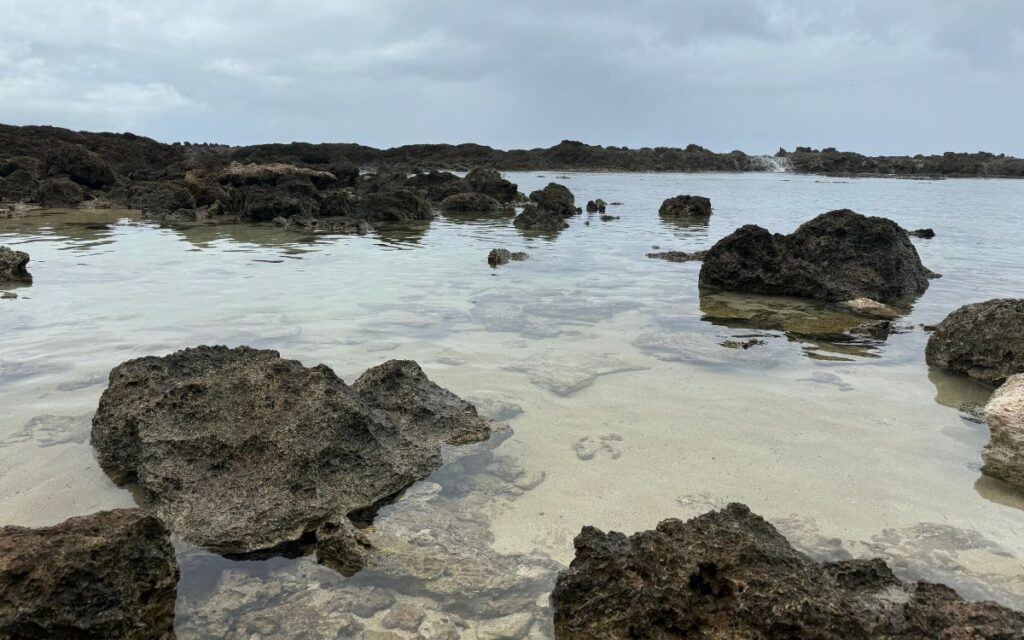
Many sunscreens contain chemicals that disrupt coral reproduction, cause bleaching, and kill coral reefs. Studies show these chemicals can harm other marine life as well.
Look for reef-safe or coral-safe sunscreen that contain Zinc oxide or titanium dioxide. Reapply often and wear SPF 30+ for healthy skin, even on cloudy days.
It’s cheaper to purchase before you go – All Good is my preferred brand when I visit Hawaii or the Caribbean. If you choose to purchase before, don’t just rely on a brand saying they’re reef safe. Do your research and opt for a truly sustainable sunscreen brand.
12. You can look, but don’t touch
Appreciate wildlife from a distance. Being close can damage and disrupt the ecological balance.
Some plants and animals are poisonous with a potential risk of transmitting diseases. This includes keeping pets on a leash so they don’t cause damage to themselves or the environment as well.
13. Know what’s kapu (not allowed)

Signage is there either for safety, cultural, or legal reasons. The landscapes are lush and beautiful but can also be dangerous. There are slippery rocks, landslides, hazardous terrain, strong currents, and dangerous waves.
Stay on designated trails. Going off the beaten path on a trail could progress erosion, damage native ecosystems and vegetation.
Venturing to places that are not for certain activities can damage natural ecosystems and sacred sites. By abiding by the signs you are preserving places for future generations and respecting the place.
Almost every hike I’ve been on I’ve seen people disregard signage, especially at Koko Head and 3 Peaks. It’s incredibly dangerous. Just because other people are doing it doesn’t mean it’s okay for you to as well.
14. Connect locally and volunteer
Kanu Hawai’i is a non-profit that connects volunteers with over 300 organizations. This is something unique and fun to add to your itinerary. The goal is to practice kuleana (responsibility) toward the āina (land) as a way of building an economically resilient community.
Keonoe Kealoha, the executive director, encourages you to choose activities you are curious about and to reach out to the organizations as you plan your trip so you can have a memorable experience. Please note, not all activities are for visitors, but many are.
15. Safety first!

The outdoors can never guarantee safety. Do not take unnecessary risks. Heed warnings. Be sure to check the weather and surf reports. Always note posted ocean conditions.
Certain beaches are known for stronger waves or tides (like Sandy Beach, also known as break neck beach for its frequent spinal cord injuries) so heed warnings from locals as well.
Know your ability and always ask if you are unsure or take the safer route. Parking spots are not watched and theft is common so do not store valuables in cars
Ecotourism Experiences Through the Islands
Oahu
The Gathering Place has the highest population of residents and tourists with Waikiki, Kailua, and the North Shore being popular tourist hotspots.
Oahu offers lush tropical scenery as well as the convenience of city life. Some fun and eco-friendly activities to try in Oahu are:
Ho’okela, the Hawai’i Culutral Center in Waikiki.
Waikiki has been specifically developed to cater to tourism, but you can still find meaningful connections and culture in Waikiki as well.
Many community organizations offer great opportunities to engage with the community and learn authentic art practices, dances, songs, and history.
Be sure to ask or research such places. An example is Ho’okela, the Hawai’i Culutral Center Museum in Honolulu.
Visit restaurants with locally sourced fish and produce
Farm to table cafes are great!
Visit the Farmer’s Markets

Farmer’s markets are all over the islands. On Oahu, the KCC Farmers market and Kaka’ako’s Farmers markets are larger, attracting a variety of food vendors, artisans, and fresh produce grown locally.
Support Marine Research
Moku o Loe (Coconut island) was used as the opening scene for Giligan’s island. It has a unique history from a packing tuna facility to hosting dignitaries on a private estate and is now a top research center for University of Hawai’s Institute for Marine Biology.
On the walking tour you can see sharks and other marine life. There’s also a touch pool to learn about marine coral preservation. There’s a sandbar close by and you can visit Lili’uokalani Botanical Garden separately.
To support the institute you can book a tour ($10 adult, $5 children ages 5-12) For reservations, contact himbcep@hawaii.edu or (808) 235-9302.
Visit a Fishpond
The loko i’a kuapā (walled coastal ponds) are specific to Hawai’i. The fishponds are either privately owned, run by community organizations or on state land. Just showing up to the fishpond is not advised.
The He’eia Fishpond was built 600-800 years ago and encloses 88 acres of brackish water.
It’s 1.3 miles long, many consider it to be the longest fishpond in the Hawaiian islands. The best way to visit is by volunteering.
Tours and organized visits are also available but less common be sure to reach out to the specific fishpond to see what arrangements can be made.
Snorkeling

Hanauma Bay State Park offers a pristine snorkeling spot to get to see beautiful marine life. Hanauma Bay is closed on Mondays and Tuesdays and reservations are required.
Another favorite is Shark’s Cove on the North Shore, though you have to be careful of the high tides during certain times of year. I’ve gotten lucky during early Spring months, but it’s generally safest past June.
Maui
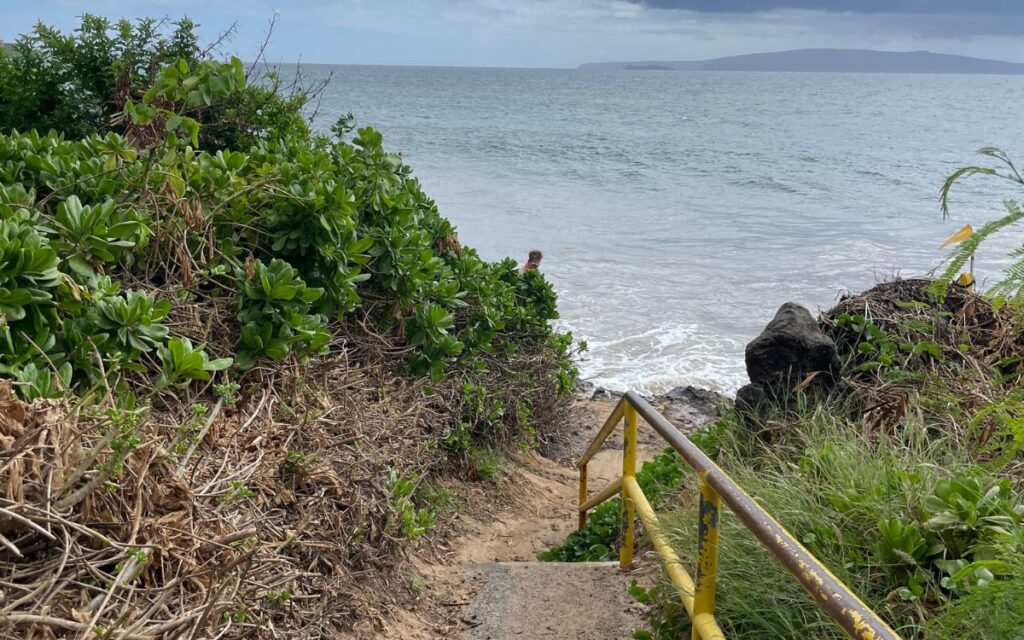
Nicknamed the Valley Isle due two major mountain ranges that dramatically extend out and surround the towns and districts. The jaw dropping coastlines, including a red sand beach, and mountains offer plenty of variety for nature lovers.
As many of you may be aware Lahaina, a small town in Maui, experienced devastating wildfires. The area is closed to the public so please be respectful of the recovery process. To support the people and support efforts please consider donating to The Hawai’i Community Foundation.
Haleakala National Park
Home to a dormant volcano and a variety of endangered species, one of which is the Nēnē, Hawai’i’s state bird. You can enjoy the stunning sunrise and sunset. There’s a beautiful outworldly scene as you look out into the barren yet beautiful landscape sprinkled with beautiful Silversword plants.
You can visit by hiking or driving up. There are also designated campsites for overnight stays.
Go Hiking

Pipiwai Trail to Waimoku Falls are my favorite.
Walk through a breathtaking bamboo forest that provides a majestic landscape as the sun peers through the towering bamboo shoots.
It’s a two hour hike with more than seven pools and waterfalls surrounded by lush green trees toward the 200 foot Waimoku waterfall.
Hawai’i Island
Most people call Big Island Big Island, but the actual name is Hawai’i Island. It’s the largest island in the chain and the youngest at over 4,000 square miles.
A new island is forming next to big island Loihi, but will take another 100,000 years to appear above the ocean. Big Island offers 10 out of the 14 climate zones so you can experience the dry desert, rainforest, and snow all in one day.
There’s plenty of variety on the big island including a green and black sand beach. Here are a few unique activities that are specific to the Big Island.
Stargazing
World renowned observatories are located on Mauna Kea. The 13,000 elevation from sea level makes it ideal for stargazing with clear skies, limited light pollution, and ideal atmospheric conditions. You can see the nearest spiral galaxy, Andromeda, shooting stars, planets, and nebulae. Learn about Polyneisan navigation techniques in which voyagers memorize the night sky and use it as a map to voyage around the world to this day.
Support local agriculture
There are a variety of farms you can visit on Big Island from tea to coffee to vineyards.
There is a map that lists the various farms and locations. Please reach out to the farms ahead of time to schedule a visit and ask about their specific requirements.
Kauai
Known as The Garden Isle since some regions receive 460 inches of rain per year which is 11 times the average making it the lush, beautiful and stunning island that it is.
Top Botanical Gardens to visit
- Limahuli Garden and Preserve: 17-acre garden with native Hawaiian plants, taro patches, and beautiful views of the coastline. Learn about the cultural significance of the plants and conservation efforts.
- Allerton Garden: Featured in the movie Jurassic Park due to its lush and unique characteristics highlighting the beautiful Moreton Bay fig trees with their thick and intricate visible root structures and idyllic walking paths.
- Na Aina Kai Botanical Gardens: 240-acres of beautiful botanical gardens, waterfalls, and art installations. There are numerous themed gardens like the children’s garden, meditation garden, and a waterfall garden along with statues of culturally important figures in Hawai’i.
- McBryde Garden: 100-acre garden has the largest collection of native Hawaiian plants in the world with a wide variety of rare and endangered species.
- Princeville Botanical Gardens: Walk through beautiful fruit trees, flowering plants, and cacao orchards. You can learn about chocolate production and partake in fruit and chocolate tastings.
The Nāpali Coast
17 miles of breathtaking dramatic coastlines with 3,000 foot dramatic emerald cliffs surrounded by stunning turquoise waters, remote beaches only accessible by boat or kayak, stunning valleys, and waterfalls.
The unique geological features have been formed by millions of years of erosion which offer a truly unique experience. Due to its seclusion it’s a haven for marine life, including dolphins, whales, sea turtles, and a variety of fish. Birdwatchers can also spot the Nēnē and Hawaiian shearwater.
Waimea Canyon “The Grand Canyon of the Pacific”
You’ll only find this in Kauai. Enjoy panoramic views of rugged steep, rocky cliffs and deep values more than 3,600 feet deep, 14 miles long, 1 mile wide.
Lānaʻi City
Billionaire Larry Ellison owns 98% of the land with most residents working for the resort industry. With only about 3,000 residents Lanai offers a different experience with no traffic lights and rugged roads and terrain. There is only one permitted camping site on the island.
Lānaʻi Culture and Heritage Center
Small and welcoming center provides you with a great foundation about the history, culture, geography, and things to do with great depth and hospitality. There’s no admission fee, making this a great free thing to do in Oahu on a budget! Admission is free, donations are appreciated.
Take in the sunset at Keahiakawelo, The Fire of Kawelo
A rock garden 45 minutes from Lānaʻi City offers a contrast from the other islands with its boulders and rock towers that were formed over centuries of erosion.
As the sun sets it casts beautiful red and purple glows on the rocks. On a clear day you can see the islands of O’ahu and Moloka’i. The removal or stacking of rocks is kapu (forbidden). Accessible only by a four wheel-drive.
The Munro Trail
Hike, bike, or drive up the 12.8 mile Munro Trail up to the highest peak at 3,370 feet through ʻōhiʻa lehua, ironwood, eucalyptus and pine trees with stunning views of the Maunalei gulch. On a clear day you can see all six Hawaiian islands.
Kaunolū Village
A U.S. National Historic Landmark with the largest surviving prehistoric ruins of a Hawaiian village. It’s an abandoned fishing village from the 1880s.
There are beautiful sea cliffs, remains of a sacred temple, petroglyphs, and 60-foot cliffs where warriors jumped off to showcase their fearlessness. There is a little islet of the bay, Moku Noio. Given the cultural and historical significance of this place it is important to leave it as you found it and do no harm.
Summary: Sustainable Travel in Hawaii
Hawaii thrives on tourism and you can make a positive difference. Travel with respect for the islands’ culture, environment, and people.
Leave a positive impact by supporting eco-friendly activities and spreading aloha. There’s room for improvement towards an eco-friendly future in Hawai’i, but by following the travel pono guidelines we can help the islands move toward a better direction one visit at a time.


